
Checklist for Reviewing Apartment Leases in 2026
Use this checklist for reviewing apartment leases before you sign. Spot common red flags, negotiate better terms, and protect your security deposit.
Table of Contents
- Why a Structured Review of Your Apartment Lease Matters
- Step 1: Verify the Basics of Your Lease Term and Rent
- Step 2: Scrutinize the Security Deposit and Move-In Costs
- Common Lease Agreement Red Flags in the Fine Print
- Step 3: What to Check During Your Apartment Move-In Inspection
- How to Negotiate Apartment Lease Terms Before Signing
- Your Digital Lease Review Workflow
- The Final Walkthrough: Sign Only When You Are Confident
- Frequently Asked Questions
Last Updated: September 6, 2026
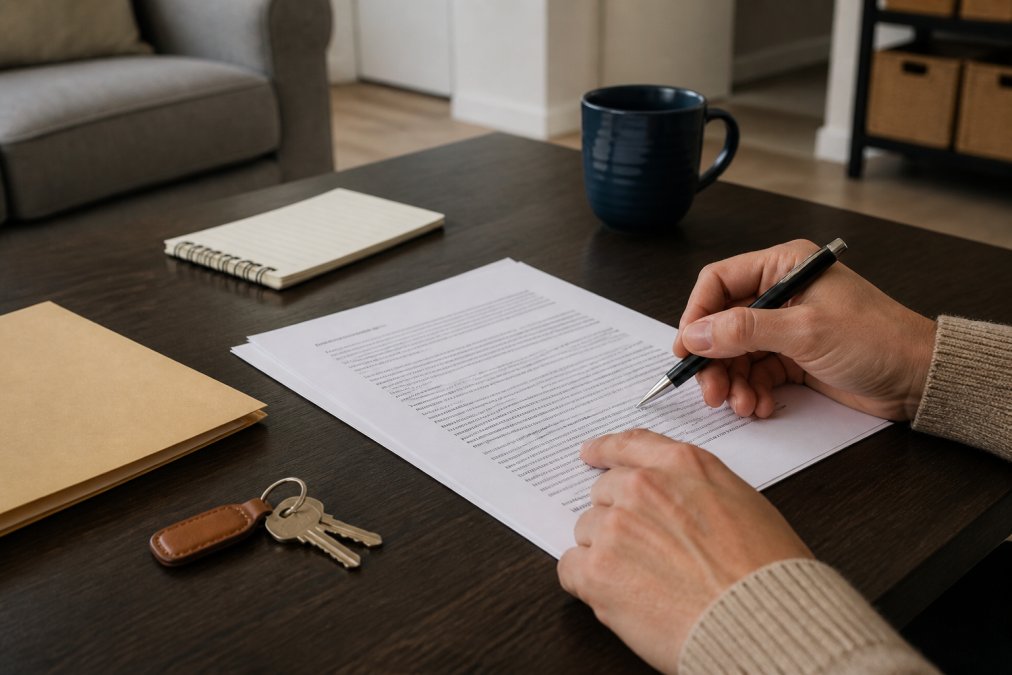
Signing a lease is one of the most significant financial commitments you will make, yet many renters spend more time reading a restaurant menu than they do their rental contract. A structured checklist for reviewing apartment leases protects you from costly surprises, from non-refundable fees to clauses that restrict your basic rights. This guide walks you through a clause-by-clause review so you sign with confidence, not crossed fingers.
The goal is simple: understand every line before you commit. A lease agreement is a legally binding contract, and under landlord-tenant law, what is written typically governs what happens in a dispute. Most people focus on the monthly rent and the move-in date, but the fine print on maintenance, subletting, and renewal terms often carries the highest financial risk.
Below, we will show you exactly how to review a lease in eight practical steps. We will cover the legal red flags hidden in standard templates, what to document during your move-in inspection, and which terms you can actually negotiate before signing. By the end, you will have a complete checklist you can use for any rental property.
Why a Structured Review of Your Apartment Lease Matters
A structured review of your apartment lease matters because it shifts you from a passive signer to an informed party. The lease term, rent escalation clauses, and maintenance obligations are not boilerplate; they are the rules that will govern your living situation for the next year or more.
Common issues arise when tenants skip the details. A clause stating the landlord may enter with "reasonable notice" sounds harmless, but state laws define what "reasonable" means, and the lease may override a more favorable local standard. Similarly, a missed clause on utility costs can add hundreds of dollars to your monthly budget if the lease states you are responsible for trash, water, or sewage fees you assumed were included.
Reviewing the lease also protects your security deposit. Without a clear property condition report and a move-in inspection, the landlord can claim pre-existing damage was caused by you. A structured checklist ensures you document everything in writing, which is your primary evidence if a dispute arises later.
Step 1: Verify the Basics of Your Lease Term and Rent
Start your checklist by verifying the core financial and duration terms. Confirm the exact lease term, the move-in date, and whether rent is prorated for a partial first month. If you move in on the 15th, the lease should state that the first month's rent is prorated, not charged in full.
Next, examine the rent escalation clause. Does the lease state the rent will increase at renewal, and by how much? Some leases include an automatic escalation of 3% to 5% per year, while others state rent is subject to negotiation. Knowing this now prevents a surprise at renewal time. Also verify the acceptable payment methods and whether late fees are clearly defined, including any grace period.
A common oversight is the utility setup. The lease should specify which utilities are included in the rent and which are your responsibility. Confirm whether you must set up accounts for electricity, gas, internet, and water in your name before the move-in date. Check the lease for any requirement that you transfer utility accounts by a specific date, as failing to do so may trigger a default clause.
| Lease Element | What to Verify | Red Flag |
|---|---|---|
| Lease Term | Exact start and end dates | Open-ended or month-to-month without notice terms |
| Rent Amount | Monthly cost and due date | Rent escalation above 5% at renewal |
| Prorated Rent | First month partial charge | Full month charged for mid-month move-in |
| Utility Costs | Which are included vs. your responsibility | Vague language like "tenant pays all utilities" |
| Late Fees | Amount and grace period | Fee applied on day 1 with no grace period |
Step 2: Scrutinize the Security Deposit and Move-In Costs
The security deposit is often the largest upfront cost after the first month's rent, so scrutinize how it is handled. State laws regulate the maximum deposit amount, how it must be stored, and the timeline for its return after you move out. The lease should state the exact deposit amount, the conditions for deductions, and whether the deposit is held in an interest-bearing account.
Review the move-in costs beyond the deposit. Some landlords charge application fees, administrative fees, or a non-refundable pet deposit. Confirm which fees are refundable and which are not. A common issue is a "cleaning fee" that is non-refundable and deducted from the deposit regardless of the property's condition at move-out.
The lease should also reference a property condition report or a move-in inspection checklist. If the landlord does not provide one, request it in writing. Document every scratch, stain, and broken fixture on this report, and return a signed copy to the landlord within the timeframe specified in the lease, often 3 to 7 days. This report becomes the baseline for determining what damage is yours versus what existed before you moved in.
Common Lease Agreement Red Flags in the Fine Print
The most common lease agreement red flags appear in clauses that limit your rights or shift costs to you. One major red flag is a subletting policy that requires the landlord's written consent but gives them the right to withhold consent unreasonably. Some leases outright prohibit subletting, which matters if your job requires relocation mid-lease.
A second red flag is a vague early termination clause. The lease should state the exact penalty for breaking the lease, such as paying rent until a new tenant is found, or a flat fee equal to two months' rent. Be cautious of clauses that hold you liable for the full remaining rent plus the landlord's cost to re-let the property, as this can amount to thousands of dollars.
Maintenance and habitability standards are another area to review. State law requires landlords to maintain the property to basic habitability standards, including working smoke detectors, carbon monoxide alarms, and functioning plumbing. The lease should not waive these responsibilities. If the lease states the tenant is responsible for all repairs, including major systems like HVAC, that is a legal red flag.
- Automatic Renewal Clauses: Look for language that auto-renews the lease for a full term if you do not give notice 30 to 60 days before the end date.
- Entry Rights: The lease should specify how much notice the landlord must give before entering, typically 24 to 48 hours.
- Waiver of Liability: Be cautious of clauses that waive the landlord's liability for damage to your personal property, as this may not be enforceable under state law.
- Mandatory Arbitration: Some leases require disputes to go through arbitration, waiving your right to sue in court. Understand the cost-sharing arrangement for arbitration fees.
Step 3: What to Check During Your Apartment Move-In Inspection
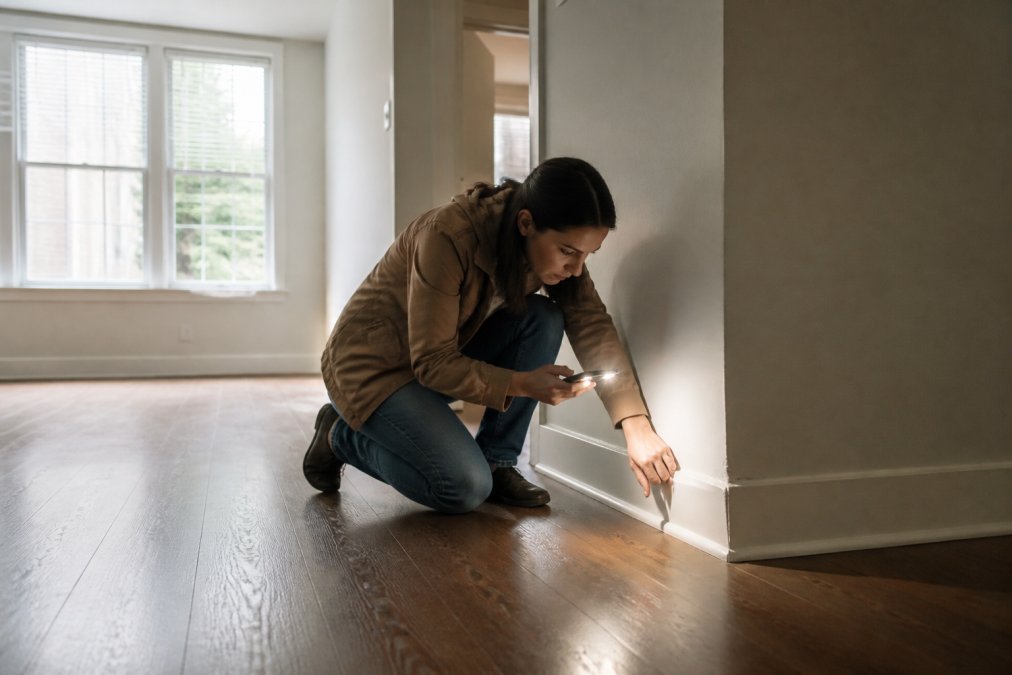
Your apartment move-in inspection is a systematic walkthrough to document the property's condition before you take possession. Bring your phone, a flashlight, and a copy of the property condition report. Check every room, opening closets, cabinets, and drawers to verify they are clean and in working order.
Test all appliance functionality, including the stove, oven, refrigerator, dishwasher, and microwave. Turn on the burners, check that the oven heats, and confirm the refrigerator cools. Run the garbage disposal and check for leaks under the sinks. Also test the smoke detector and carbon monoxide alarm by pressing the test button until the alarm sounds.
Document the condition of floors, walls, and ceilings. Look for cracks in the walls, stains on the carpet, or water damage on the ceiling. Check that all door locks work and that window coverings are present and functional. Note any pest infestation, such as droppings or dead insects, and report it immediately.
Check the common areas and your assigned parking space. Confirm the parking assignment matches your lease and that the space is clearly marked. Inspect any storage units or lockers included in the lease. Verify that the mailboxes have working locks and that the building's main entry door closes securely. Note any damage to these areas on the inspection report as well.
How to Negotiate Apartment Lease Terms Before Signing
You can negotiate apartment lease terms before signing, and many landlords are more flexible than you expect, especially in a slower rental market. Begin by identifying which terms matter most to you, such as the monthly rent, the security deposit, or the lease term length. Prioritize your requests and be prepared to compromise on less critical items.
The most common negotiation points are the rent amount and the lease term. If the advertised rent is above comparable units in the area, present that data to the landlord. You can also offer to sign a longer lease term, such as 18 months instead of 12, in exchange for a lower monthly rate. Alternatively, ask for a concession like one month of free rent or a waived application fee.
Request a cap on the rent escalation for renewal. If the lease includes an automatic increase, ask to cap it at 3% or to remove the automatic clause entirely, making the renewal rent subject to negotiation. You can also negotiate the notice period for renewal, asking for 60 days instead of 30, which gives you more time to decide whether to stay or move.
Your Digital Lease Review Workflow
A digital lease review workflow helps you manage the process efficiently and keep a clear record of your findings. Start by creating a folder on your computer or cloud storage for all lease-related documents. Save the lease agreement, the property condition report, your move-in photos and videos, and any email correspondence with the landlord.
Set a reminder on your calendar for the notice deadline, typically 30 to 60 days before the lease ends, to decide on renewal. Also set a reminder for the security deposit return deadline, which is often 14 to 30 days after you move out, depending on state law. Missing these deadlines can cost you money or your deposit.
Use a checklist app or a simple spreadsheet to track your review. List each clause from the lease and mark it as reviewed, questions, or needs negotiation. This makes it easy to see what you have covered and what still needs attention. The checklist for reviewing apartment leases should be your central reference throughout the process.
The Final Walkthrough: Sign Only When You Are Confident
The final walkthrough is your last opportunity to verify the property's condition before you sign and take possession. Schedule it for the day before or the day of your move-in date. Walk through every room again, confirming that any repairs requested during the initial inspection have been completed.
Verify that the apartment is clean and that all appliances are in working order. Check that the lights work, the water pressure is adequate, and the toilet flushes properly. Confirm that the heat and air conditioning systems operate. If the landlord promised to fix a specific issue, such as a cracked window or a faulty lock, confirm it is done before you sign the final paperwork.
Sign only when you are confident that the lease terms match what you agreed to and the property is in the condition you expect. Once you sign, you are bound by the terms, so take your time during this final review. If something is not right, address it with the landlord before signing rather than after you move in.
Reviewing an apartment lease is a detailed process, but the effort protects your finances and your peace of mind for the entire term. The challenge is that lease agreements are dense, legal documents where a single overlooked clause can cost you your deposit or lock you into an unfavorable renewal. At ezanser.com, we transform complex housing documents into clear, step-by-step checklists grounded in official information, so you catch every red flag before you sign. Our reports are available in both English and Spanish at a flat fee of just $4.99 per report, eliminating the need for expensive consultations. Get started with ezanser.com and review your lease with total confidence, knowing no step was missed.
Frequently Asked Questions
What will fail an apartment inspection?
An apartment inspection usually fails when the unit is not in a habitable condition. This includes broken smoke detectors or carbon monoxide alarms, significant water damage or mold, pest infestations, and non-functional heating or plumbing. For a move-in inspection, a unit fails your standards if there is damage that was not documented, such as large stains on carpets, cracks in windows, or missing door locks. If you find these issues, note them on the property condition report before you move in to avoid losing your security deposit.
What are some red flags in a lease agreement?
Common lease agreement red flags include clauses that allow the landlord to enter your unit without proper notice, blanket rules against guests, or language that waives your right to a habitable dwelling. Be wary of a lease that does not specify who handles utility costs or maintenance requests. Also, look for automatic renewal clauses that lock you in without your consent and provisions that require you to pay the landlord's legal fees in any dispute. These terms are often negotiable or a sign to walk away.
How can I negotiate terms in a standard apartment lease?
Start by identifying which terms matter most, such as the monthly rent, the length of the lease term, or the pet policy. If the rental rate is firm, ask for a concession like a free month of parking or a waiver of the application fee. You can also propose a rent escalation clause that caps annual increases at a specific percentage. Request a longer notice period for rent increases or non-renewal. Landlords prefer stable tenants, so frame your requests as a way to ensure a smooth, long-term tenancy.
What is the difference between a lease and a rental agreement?
A lease is a binding contract for a fixed term, typically 12 months. During that time, the landlord cannot raise the rent or change the rules, and you are responsible for paying rent for the entire lease term. A rental agreement, however, is usually month-to-month. It renews automatically each month until either you or the landlord provides a notice period, which is often 30 days. This offers more flexibility but less stability, since the landlord can change the terms or end the tenancy with proper notice.